
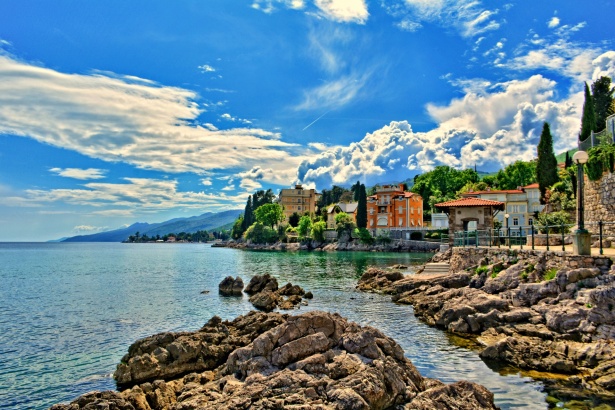
This article originally appeared in Italian on Osservatorio Balcani e Caucaso Traseuropa. You can find the article here: The birth of tourism in Opatija. In Istria, during the Habsburg period, it was the spas and wellness treatments at local resorts that sprouted tourism. Among the most important localities in the area is Opatija, which soon became… Continue reading Opatija: a tale of sea, spas and railways
Author: Chiara Marchesini
Abbazia: una storia di mare, terme, e ferrovie
Questo articolo è apparso originariamente in italiano su Osservatorio Balcani e Caucaso Traseuropa. Trovi l’articolo qui: La nascita del turismo ad Abbazia. In Istria, durante il periodo asburgico, sono le terme e i trattamenti di benessere dei resort locali che fanno germogliare il turismo. Tra le località più importanti della zona c’è Abbazia, divenuta presto ritrovo… Continue reading Abbazia: una storia di mare, terme, e ferrovie
Apples’ swirl
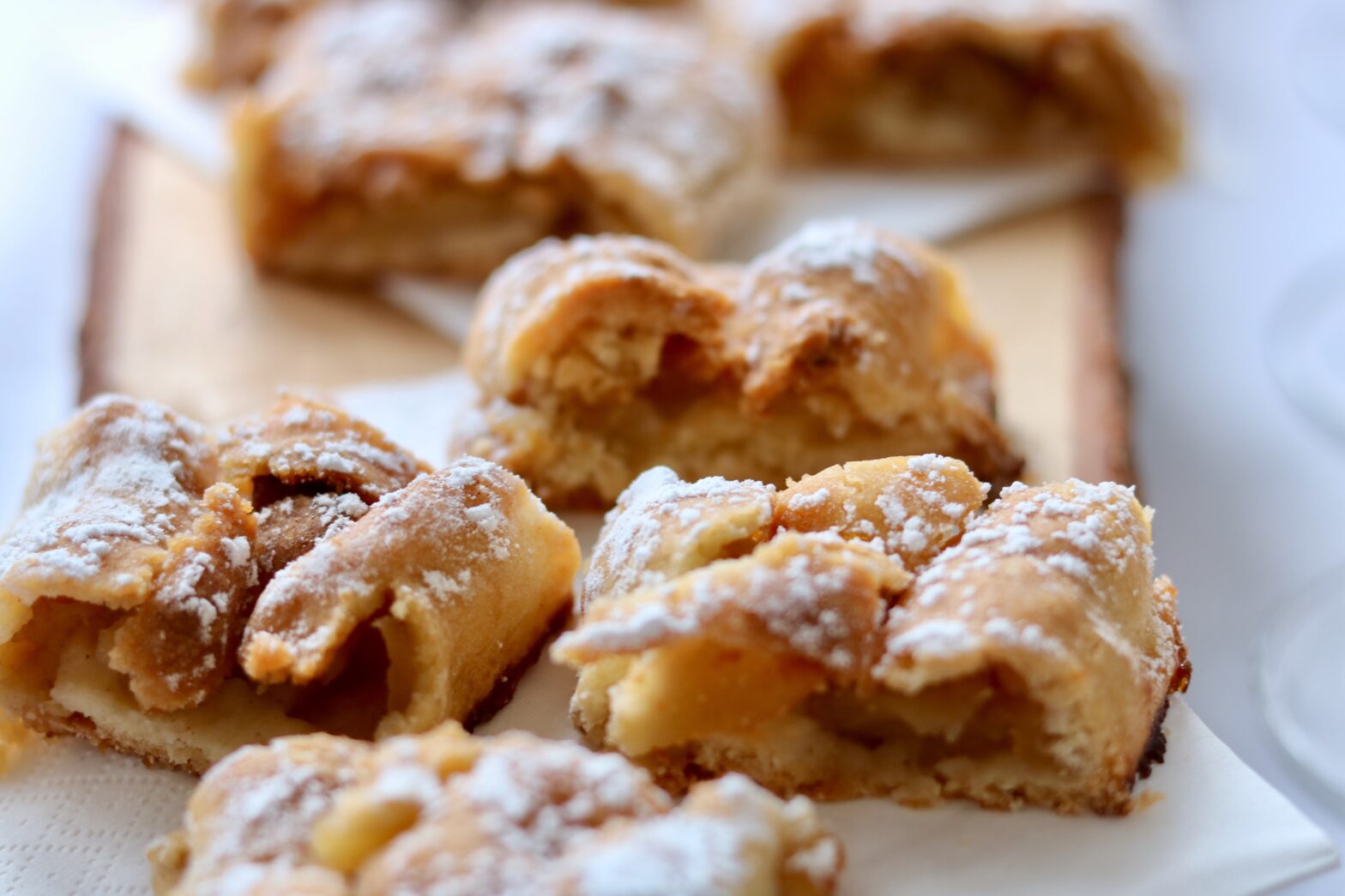
The first detailed text on the preparation of strudel, specifically apple strudel, dates back to 1827 and can be found in the“Great Viennese cookbook” by Anna Dorn. In the text, Dorn calls the cake Apfelstrudel, or ‘apple swirl’. The actual origin of the cake, however, does not have such definite roots: Strudel in fact originated… Continue reading Apples’ swirl
Vortice di mele
Il primo testo dettagliato sulla preparazione dello Strudel, precisamente lo strudel di mele, risale al 1827 e si trova nel “Grande libro di cucina viennese” di Anna Dorn. Nel testo, Dorn chiama il dolce Apfelstrudel, ossia “vortice di mele”. L’origine vera e propria del dolce, però, non ha radici così definite: lo Strudel nasce infatti… Continue reading Vortice di mele
Mr Sacher’s successful cake
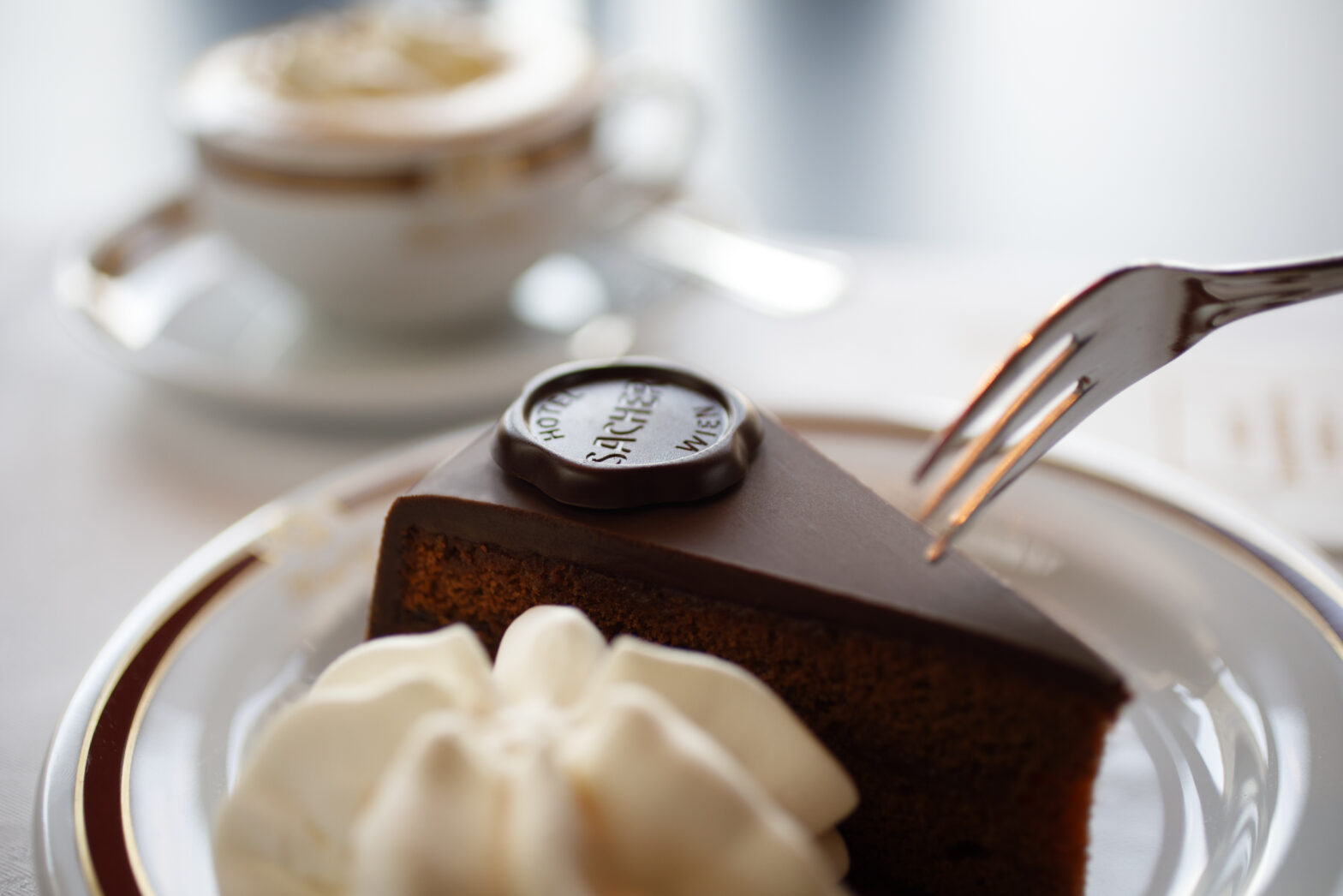
The Sachertorte is a delicious chocolate cake, originally conceived by the young Franz Sacher back on 9 July 1832 in Vienna, Austria, for Prince Klemens von Metternich. This exquisite creation came to life during the Restoration period, when Franz Sacher, already a great chocolate enthusiast, was also an apprentice pastry chef under the Austrian chancellor.… Continue reading Mr Sacher’s successful cake
Gnocconi Imperiali
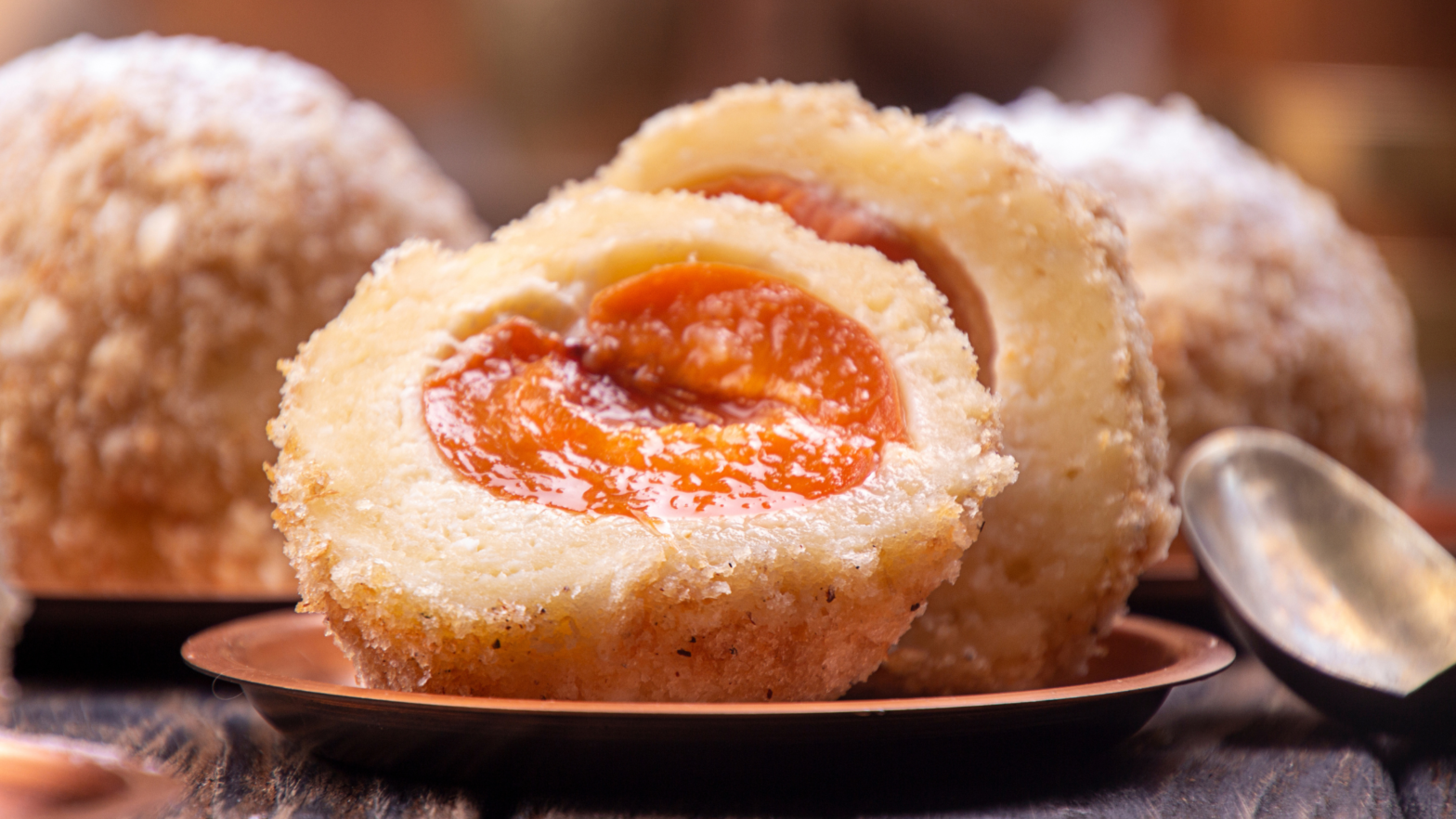
Divenuti molto popolari durante l’Impero asburgico, i deliziosi Knödel e Kloß risalgono al XVIII secolo. L’influenza dell’Impero asburgico ha giocato un ruolo cruciale nella loro diffusione, rendendo questi gnocchi una parte importante del patrimonio culturale dei paesi vicini. In Polonia, gli chef preparano il Kluski kartoflane, mentre nella Repubblica Ceca si possono gustare i saporiti… Continue reading Gnocconi Imperiali
Imperial dumplings
Becoming hugely popular during the Habsburg Empire, the delicious Knödel and Kloß date back to the 18th century. The influence of the Habsburg Empire played a crucial role in spreading the concept, making these dumplings a cherished part of cultural heritage in neighboring countries. In Poland, chefs prepare Kluski kartoflane, while the Czech Republic people… Continue reading Imperial dumplings
Habsburg Rijeka: from Corpus Separatum to Port of Diversity
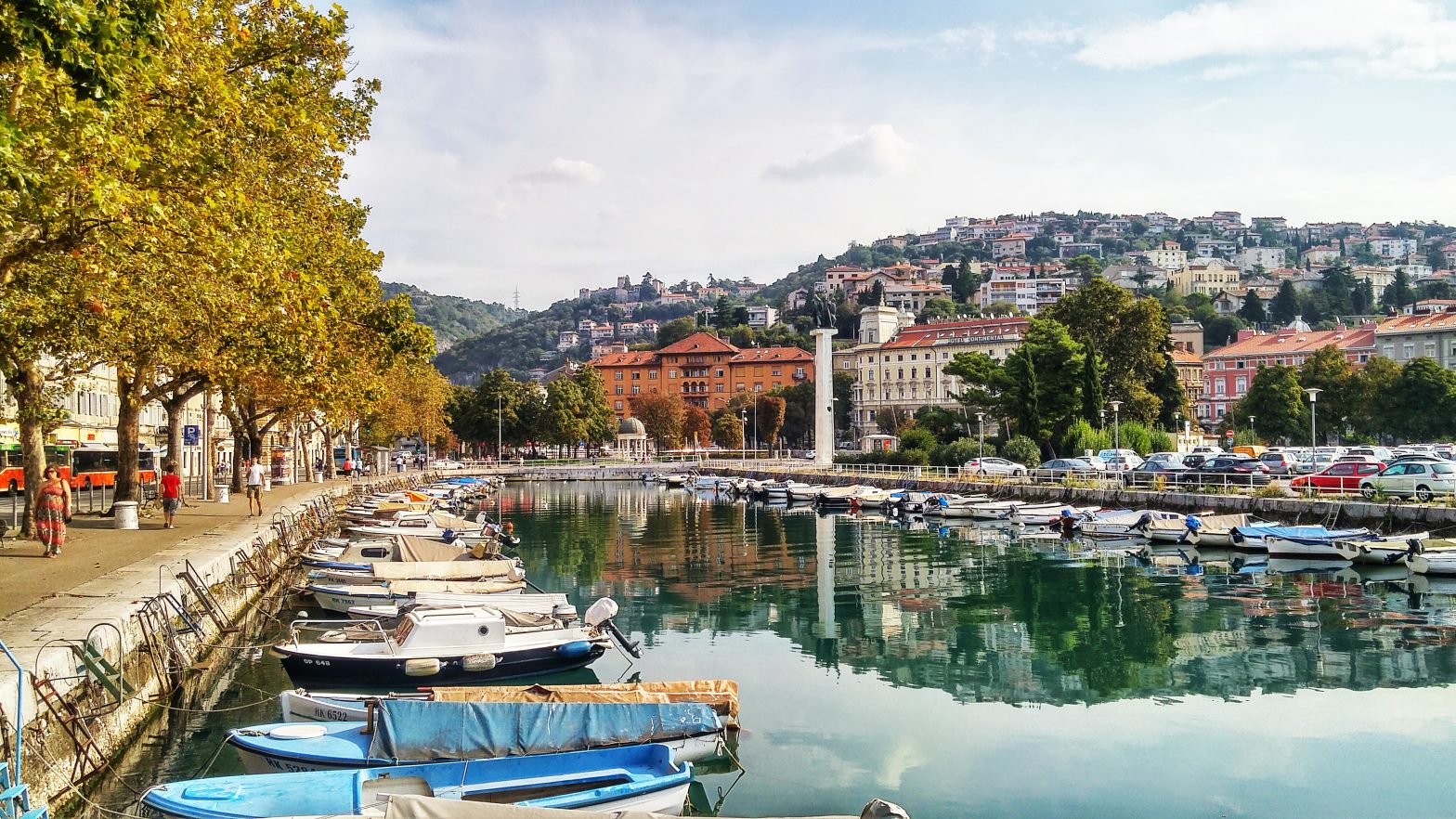
Rijeka is one of the most emblematic cities of the former Habsburg Empire. The Kvarner’s capital has a complex identity and intricate history that never cease to intrigue (and confuse) those who visit it. Ivan Jeličić is a professor of contemporary history at the University of Rijeka and one of the researchers who worked on… Continue reading Habsburg Rijeka: from Corpus Separatum to Port of Diversity
Fiume Asburgica: da Corpus Separatum a Porto della diversità
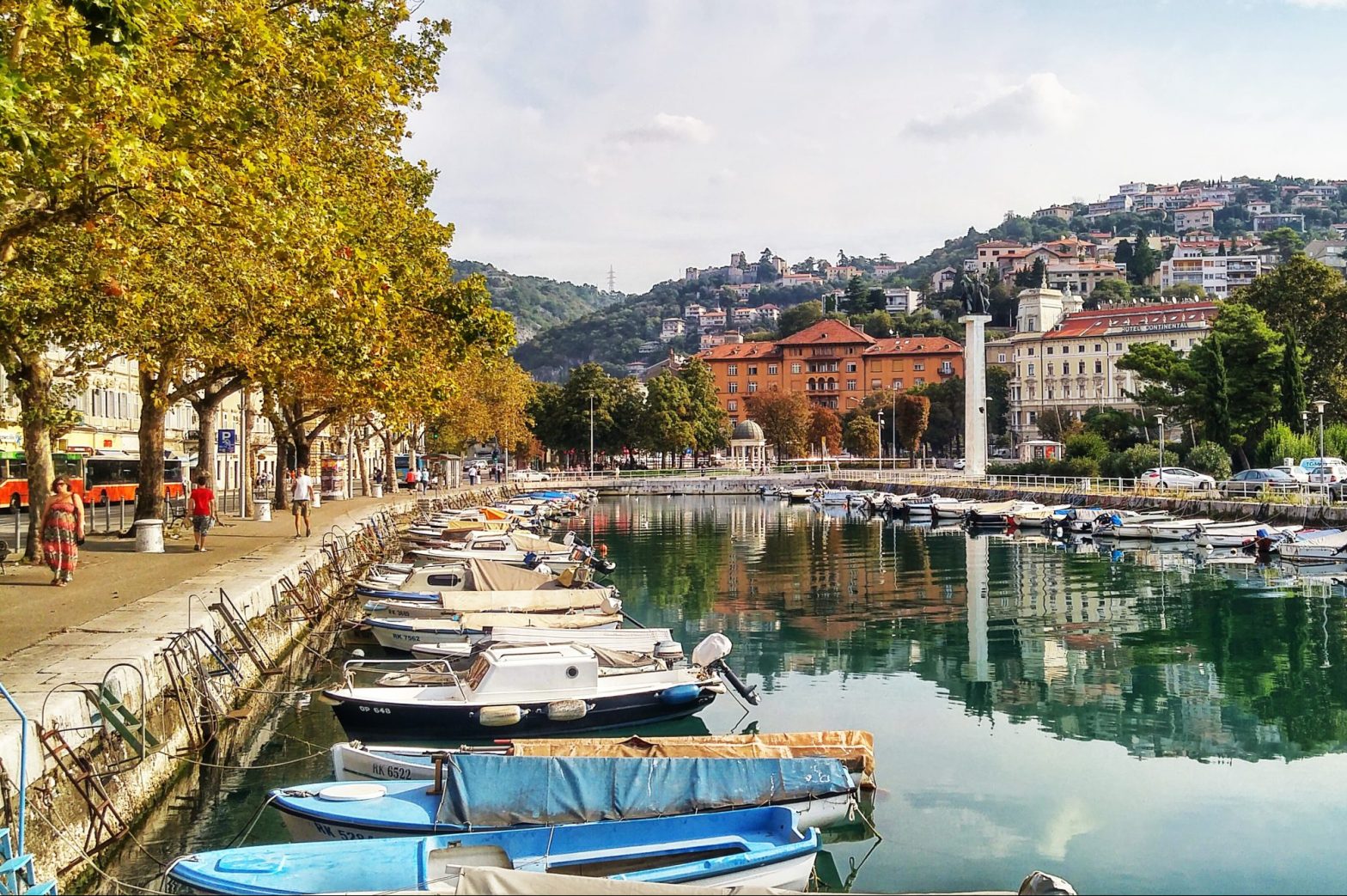
Fiume è una delle città più emblematiche dell’ex Impero asburgico. La città capoluogo del Quarnero ha un’identità complessa ed una storia intricata che non cessano di incuriosire (e confondere) chi la visita. Ivan Jeličić è un professore di Storia contemporanea all’università di Fiume e uno dei ricercatori che ha lavorato alla creazione dell’applicazione “Rijeka Fiume In Flux“, uno strumento… Continue reading Fiume Asburgica: da Corpus Separatum a Porto della diversità
Of Love, Lighthouses, and Layered Cakes: Rijeka’s Sweet Surprises
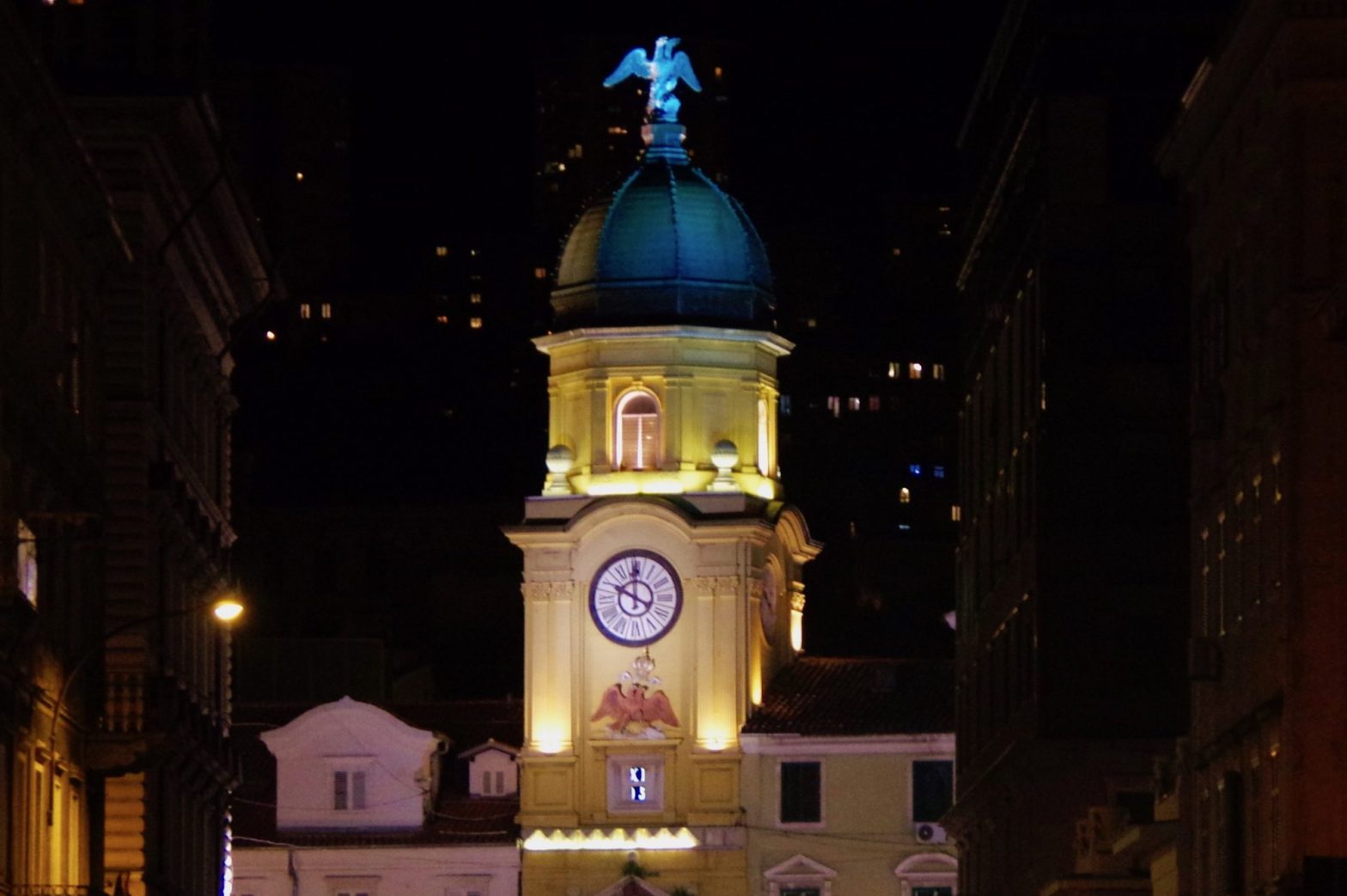
Walking through the streets of Rijeka, one can easily notice the many architectural accomplishments that have transformed this coastal city into a Central European one during the 19th century. For example, with the construction of the Modello Palace and the theatre, both opened in 1885, the architecture studio Fellner & Helmer gave Rijeka the whiff of Vienna, while the Governor’s… Continue reading Of Love, Lighthouses, and Layered Cakes: Rijeka’s Sweet Surprises